
Concrete Grinding and Grooving: Enhancing Safety and Performance on Roads
Concrete Grinder and Grooving: Safety and Performance
Safe, smooth roadways depend on precise surface work that improves traction and long-term durability. Our blog explains how a concrete grinder helps create safer driving conditions by refining rough surfaces and preparing them for consistent performance. Ashton Sawing and Drilling uses advanced grinding and grooving methods to help roadways handle heavy traffic, reduce hydroplaning risks, and extend surface life. Real experiences across Texas and Louisiana shape every approach we share, with a clear focus on practical results, efficient timelines, and dependable workmanship that meet demanding structures.
What Is Concrete Grinding and Grooving
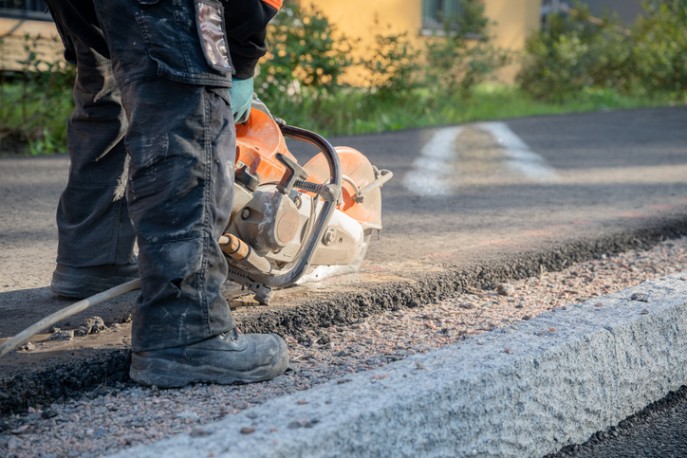
Concrete grinding and grooving focus on reshaping and refining concrete surfaces to improve safety, traction, and performance. Crews use a concrete floor grinder to smooth uneven slabs, remove coatings, and prepare the surface for new finishes and treatments. Grooving follows precise cuts that channel water away and increase tire grip in roads and runways. This combined process helps reduce surface wear, supports consistent drainage, and delivers a cleaner, more uniform finish that stands up to heavy traffic.
Why Do Roads Need Surface Improvements
Roads that handle heavy traffic, frequent weather changes, and constant load stress need surface improvements to stay safe and reliable. Highways, airport runways, industrial access roads, and busy urban streets can develop wear patterns, polishing, or uneven spots that reduce traction. Water buildup also signals the need for corrective work, since poor drainage impacts driving conditions. Surface improvements restore texture, improve grip, and enhance water flow, helping extend pavement life and maintain consistent performance in demanding environments.
The Benefits of Concrete Grinding & Grooving
Concrete grinding and grooving deliver measurable improvements for safety, durability, and surface performance across demanding road conditions. A concrete grooving machine creates precise channels that help control water and boost traction, while grinding refines the surface for consistent contact and wear resistance. These methods support long-term results that meet commercial and industrial standards. The combined approach gives crews a reliable way to restore and maintain concrete surfaces without unnecessary downtime or disruption. Here are a few additional benefits of concrete grinding and grooving:
- Improved Traction and Safety – Grooving creates consistent channels that help tires maintain contact with the surface during wet conditions. This added group supports safer driving and reduces the risk of hydroplaning.
- Better Water Drainage – Grooves guide water away from the driving path to prevent pooling on the surface. Effective drainage helps maintain visibility and improves overall roadway performance.
- Extended Surface Life – Grinding removes surface imperfections that lead to early wear and breakdown. A smoother, even finish supports long-term durability under heavy traffic.
- Cleaner and More Uniform Finish – Grinding evens out rough areas and prepares concrete for coatings or sealants. This process creates a consistent surface that meets structural project specifications.
Applications Across Different Road Types
Concrete grinding and grooving play a key role across many road types that demand reliable traction and long-lasting performance. Highways benefit from improved skid resistance and smoother travel for high-speed traffic. Airport runways rely on precise grooving for proper water drainage and safer landings. Industrial roads and loading areas gain stronger surface durability under constant heavy loads. City streets and intersections also see better control and reduced wear, helping maintain safe conditions for daily traffic flow and consistent vehicle handling.
The Process Behind Grinding and Grooving
Concrete grinding and grooving follow a clear, controlled process that delivers consistent surface results for demanding road and industrial applications. Each step focuses on precision, safety, and efficiency to meet project specifications and timelines. Crews rely on advanced equipment and proven methods to prepare, grind, groove, and clean the surface for optimal results. Our list below highlights our process behind grinding and grooving:
- Surface Evaluation and Preparation – Crews inspect the concrete to assess wear patterns, thickness, and structural conditions. They clear debris and mark work areas to ensure accurate and timely operations.
- Grinding the Surface Layer – Equipment removes uneven sections and restores a smooth, level profile across the concrete. This step creates a consistent surface that supports better contact and performance under traffic.
- Cutting Precise Grooves – Specialized machines cut uniform channels into the concrete at a set depth and spacing. These grooves improve traction and guide water off the surface for safer driving conditions.
- Cleaning and Final Inspection – Crews remove slurry, dust, and leftover material from the work area. They review the finished surface to confirm it meets project standards and performance requirements.
Environmental and Economic Advantages
Concrete grinding and grooving offer clear environmental and economic benefits for agencies, contractors, and facility managers seeking long-term performance without unnecessary waste or replacement. These methods improve existing concrete surfaces, helping reduce material use and limit project downtime. Crews complete work efficiently with modern equipment, keeping schedules tight and costs controlled. The results support sustainability goals and budget planning while delivering dependable surface improvements that withstand heavy traffic and changing conditions.
Innovations in Grinding and Grooving Technology
Modern grinding and grooving technology brings greater precision, efficiency, and control to every project. Advanced equipment features improved cutting systems that deliver consistent groove spacing and depth, which support reliable traction and water management. High-performance grinding machines produce smoother finishes with tighter tolerances across large surface areas. Many systems now include dust control and water management features that help keep job sites cleaner. These innovations enable crews to complete work more quickly while meeting strict safety and quality standards for roadways, runways, and industrial surfaces.
Reach Out to Learn More
Strong, safe surfaces start with the right plan and the right equipment. A concrete grinder helps restore traction, smooth imperfections, and prepare concrete for long-term performance in demanding environments. Experienced crews handle every step with precision and attention to detail, keeping projects on track and meeting strict standards. Connect with our team to schedule service, review project needs, and get dependable results that support safer roads and stronger surfaces across every job.
Concrete Grinding & Grooving FAQs
How Does Concrete Grooving Improve Safety?
Concrete grooving adds controlled channels into the surface to increase tire grip. These grooves help manage water and reduce the risk of slipping or hydroplaning.
When Should Grinding and Grooving Be Performed?
Grinding and grooving are needed when surfaces show wear, reduced traction, or water pooling. These services also support new construction and upgrades to meet safety standards.
Will Grinding Damage the Concrete Surface?
Grinding removes only the top layer of concrete to correct imperfections. Proper equipment and skilled operators ensure the surface’s structural integrity remains intact.
Can Grinding and Grooving Extend Concrete Life?
These processes remove surface damage and improve durability under traffic. A properly treated surface resists wear and lasts longer under demanding conditions.