
Different Types of Footings and Applications
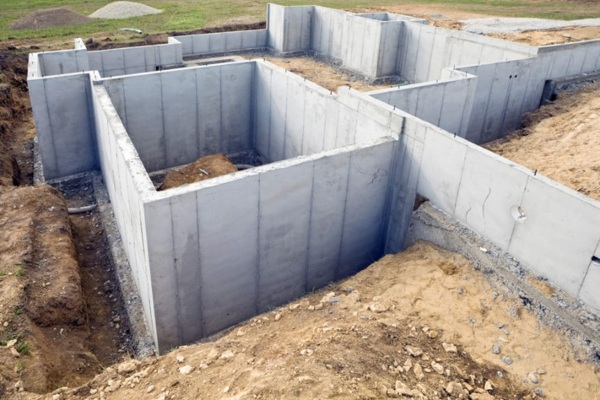
Every strong building starts with a solid foundation. At Ashton Sawing and Drilling, we understand that the right type of footing can determine the long-term stability of any structure. Across Texas and Louisiana, soil conditions, load requirements, and design goals all influence which footing will perform best. Knowing the types of footings and how they work is essential for creating durable, dependable foundations that stand the test of time.
Footings play a vital role in transferring the weight of a structure safely to the ground. Whether we’re working on a commercial facility, industrial plant, or infrastructure project, our team uses proven methods to ensure the foundation performs as designed. From concrete footings for heavy loads to specialized structural footings for complex builds, we provide complete installation and support throughout every stage of construction.
Understanding Building Foundation Types
Not all foundations are created equal. Different building foundation types are used depending on soil composition, environmental conditions, and project design. In regions like Texas and Louisiana, where moisture, clay content, and temperature changes can affect ground movement, choosing the correct footing type is especially important.
Our work often begins with a thorough site evaluation. Once we understand the subsurface conditions, we select and install the right footing design to maintain balance and load distribution. The main footing applications we work with include isolated footings, combined footings, mat foundations, and pile foundations. Each serves a specific purpose in structural design.
Isolated Footings
Isolated footings, also called pad footings, are one of the most common types of footings used in commercial and industrial construction. They support individual columns and distribute loads directly to the soil beneath. These are ideal for projects where column spacing is wide, and loads are moderate.
Our crews pour isolated concrete footings with precision, ensuring uniform thickness and reinforcement placement. By controlling depth and concrete mix quality, we help prevent settlement or cracking over time. In industrial applications, these footings are often reinforced with additional steel for long-term strength.
Combined Footings
When two or more columns are close enough that their footings overlap, a combined footing offers a practical solution. This design helps distribute loads evenly across both columns, maintaining stability even in uneven soil conditions.
Combined structural footings are frequently used in commercial buildings where space constraints limit individual footings. Our experience in construction footings guide work allows us to design and pour these systems efficiently, coordinating with engineers and site managers to meet load and layout specifications.
Mat or Raft Foundations
For large or heavy structures, mat foundations, also known as raft foundations, are often the best choice. These footings cover the entire area under a building, spreading the load across a broad surface.
In areas with soft or expansive soils, such as parts of Louisiana, mat foundations help prevent uneven settling. They are ideal for industrial facilities, warehouses, and commercial buildings with heavy machinery. Our team has installed these systems across multiple job sites, using high-performance concrete mixes and advanced finishing techniques to achieve consistent quality and durability.
Pile Foundations
In coastal regions or areas where the topsoil lacks bearing capacity, pile foundations provide a deep and stable solution. Concrete or steel piles are driven deep into the ground to reach solid strata, transferring the structure’s load safely downward.
Pile foundations are often used in bridge supports, high-rise structures, and waterfront developments in Texas and Louisiana. We work closely with structural engineers to integrate these deep footing applications with the rest of the project’s foundation system. The result is a strong, stable structure capable of handling variable soil conditions and environmental stress.
The Role of Concrete Footings in Modern Construction
Concrete footings form the backbone of nearly every modern structure. They must be designed to handle not only static loads but also environmental forces such as wind, vibration, and temperature change. With decades of experience in Texas and Louisiana, we know how to adapt to the local conditions that challenge builders across the region.
Our team uses high-grade concrete mixes, precise placement techniques, and professional finishing to deliver superior results. Whether a project calls for shallow spread footings or deep foundations, our work meets industry standards and exceeds client expectations.
We also integrate our footing work with other key services such as slab sawing, wire and wall sawing, and concrete breaking and removal. This turn-key approach allows us to manage every stage of the job efficiently, reducing downtime and keeping projects on schedule.
Practical Applications Across Industries
The construction footings guide we follow ensures each project receives a foundation designed for its exact requirements. For example:
- Commercial buildings benefit from reinforced concrete footings that handle concentrated loads from columns or walls.
- Industrial facilities require heavy-duty structural footings that support equipment vibration and weight.
- Public infrastructure projects demand long-lasting materials and strict adherence to engineering codes.
No matter the scale or complexity, our team applies the same attention to detail and safety that defines Ashton Sawing and Drilling.
Adapting to Regional Conditions
Both Texas and Louisiana present unique construction challenges. In Texas, varying soil types, from expansive clay to sand, require precise footing design to control movement and settlement. In Louisiana, high moisture content and coastal conditions can impact foundation integrity.
By understanding these regional differences, we’re able to customize each footing system for optimal performance. Proper drainage, soil stabilization, and reinforcement selection are part of every project plan we develop.
Partner With Ashton Sawing and Drilling for Reliable Foundations
For more than two decades, Ashton Sawing and Drilling has been trusted across the Gulf States for dependable concrete work. Our expertise in types of footings, concrete footings, and structural footings helps clients complete their projects on time and within budget.
We combine technical knowledge with hands-on experience to deliver results that last. From small commercial builds to major industrial installations, we’re proud to serve as a complete concrete partner throughout Texas and Louisiana.
If you’re planning a project and need expert guidance on building foundation types or footing applications, contact us today. Our team is ready to provide a solution that meets your structural needs and exceeds expectations.