
What Factors Do You Consider in Placing Mass Concrete?
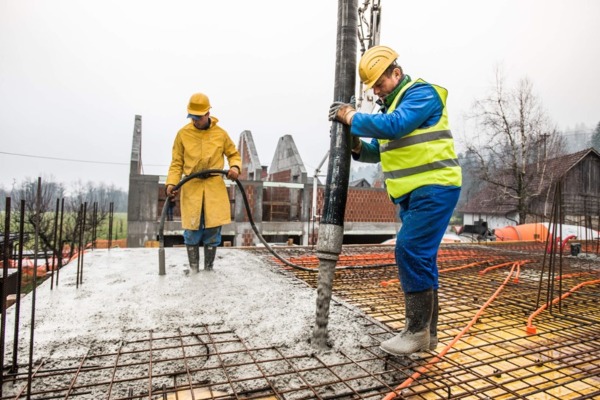
Working with mass concrete placement across Texas and Louisiana takes more than experience. It takes an understanding of how concrete behaves at scale and under heat. These large pours can look straightforward on paper, but they demand close attention to temperature, timing, and technique.
At Ashton Sawing and Drilling, we’ve handled some of the toughest concrete jobs in the Gulf region. Every project starts with a plan that balances safety, efficiency, and structural strength. Our crews know how to manage volume, prevent cracking, and control temperature so the final product performs exactly as intended.
What Makes Mass Concrete Different
Mass concrete is any large volume of concrete where temperature rise and differential become critical. When you pour at this scale, the heat generated during curing builds up inside the mix. If it isn’t managed, that trapped heat can cause cracking or weaken the structure.
We see this often in foundations, bridge piers, industrial pads, and retaining walls. The stakes are high, and small mistakes can turn into big problems fast. Understanding the factors in concrete pouring from start to finish helps keep every placement consistent and reliable.
Key Factors in Concrete Pouring
Before we start a major pour, our team studies every element that affects performance. Some of the most important factors in concrete pouring include:
- Mix Design: We tailor the concrete blend to minimize heat buildup. Fly ash or slag can replace part of the cement to lower hydration heat while maintaining strength.
- Placement Plan: A large pour can’t be done in one shot. We divide it into controlled sections or layers so the material cools evenly.
- Formwork & Insulation: Forms can trap heat. Choosing the right material and thickness helps balance surface and core temperatures.
- Concrete Temperature Management: The starting mix temperature matters. We sometimes cool aggregates with water or ice to keep the temperature within limits.
- Curing Control: Once the concrete is in place, we track temperature changes using sensors. That data tells us when it’s safe to remove forms or apply curing methods.
Thermal Control in Mass Concrete
The heat released during curing is what sets mass concrete apart. Thermal control in mass concrete helps prevent cracks caused by uneven temperatures between the surface and the core. Our goal is to keep that difference within a safe range until the structure stabilizes.
We use several techniques to manage heat. Cooling pipes, chilled water, and temperature sensors allow us to track and regulate the curing process. In the Gulf climate, this step can’t be ignored. Texas and Louisiana are known for long, hot summers that can push internal concrete temperatures to dangerous levels if left unchecked. To manage those challenges, we often schedule pours at night or early in the morning. That simple change can make a major difference in quality and consistency.
Concrete Curing Techniques
Curing protects the surface and helps the concrete reach full strength. Different concrete curing techniques are used depending on the weather and the structure’s size. On mass placements, we prefer water curing, curing blankets, or surface compounds that hold in moisture.
We also monitor the process daily. Gradual cooling prevents internal stress and surface cracking. That hands-on approach helps us deliver a finished product that performs as designed, no matter how large the pour. Our focus is always on consistency. Good curing techniques make sure that strength builds evenly through every inch of the structure.
Large-Scale Concrete Construction Challenges
Managing large-scale concrete construction in the South comes with unique hurdles. Humidity, temperature swings, and heavy rainfall can all affect the final outcome. We plan for those factors from the beginning, building flexibility into every schedule and mix design.
Before any placement, we coordinate closely with engineers and general contractors. That teamwork ensures reinforcement, formwork, and embedded items are ready before we start. A smooth workflow prevents delays and protects quality. Our approach saves clients time and money, especially on complex commercial or industrial jobs where accuracy is critical.
Concrete Temperature Management in the Gulf Region
Every project in Texas and Louisiana requires strong concrete temperature management practices. The climate can change quickly, and that makes curing unpredictable. We adapt by using real-time monitoring and cooling strategies that fit each job site. If temperatures rise too fast, we can adjust water content, use ice in the mix, or alter the placement sequence.
By planning for local weather, we keep the work moving while maintaining performance standards. That regional knowledge comes from years of experience on job sites across the Gulf. We know the soil, the weather, and the challenges that come with both.
Partner With Ashton Sawing and Drilling
At Ashton Sawing and Drilling, our job is to make concrete work smarter. Every project, whether it’s a massive industrial foundation or a complex structural base, gets the same level of care. We understand mass concrete placement, thermal control in mass concrete, and the many factors in concrete pouring that influence success.
Our services cover everything from structural concrete and foundation work to wire and wall sawing and precision demolition. We handle it all under one roof so clients don’t have to manage multiple subcontractors.
If you’re planning a project that involves large-scale concrete construction, reach out to our team. We’ll help you design a placement strategy that balances strength, cost, and temperature control. For projects across Texas and Louisiana, we’re the trusted partner that delivers reliable results every time.