September 23, 2024

What is Robotic Demolition?

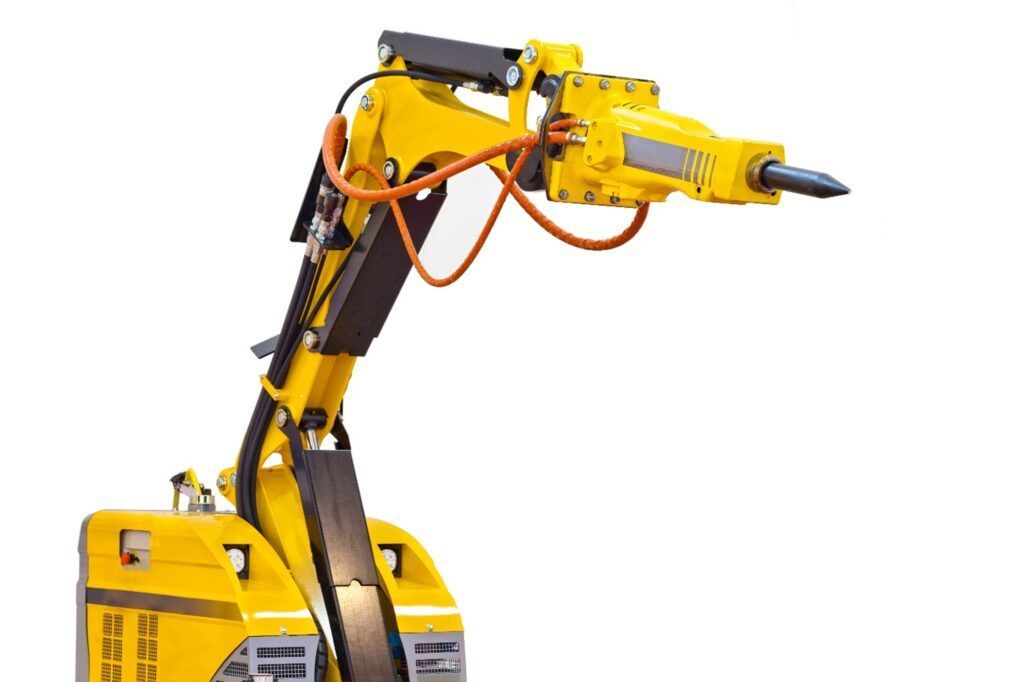
Construction is a labor-intensive industry involving repetitive, time-consuming, and sometimes dangerous work. Demolition is particularly fraught with challenges, many of which can be overcome with help from robots. Robotic demolition has transformed the construction industry by introducing a safer, more efficient, and cost-effective method for breaking down concrete, tunneling into mountains, and razing entire buildings to the ground.

Benefits of Robotic Demolition

When given the choice of robotic demolition vs. traditional demolition, here’s why you may want to choose the robotic option:

  • Enhanced safety: Robotic demolition machines are operated remotely, which keeps workers out of harm’s way. This is particularly beneficial in dangerous environments that pose the risk of chemical exposure, structural instability, or other hazards.
  • Greater precision: Remotely operated robots are equipped with various tools to execute precise demolition tasks. Such accuracy is essential in environments where maintaining the integrity of surrounding structures is crucial.
  • Improved efficiency and cost-effectiveness: Machines work tirelessly, reducing the time it takes to complete projects compared to traditional methods. This may speed up your timeline and save you on labor and project management costs. Plus, precise robotic demolition minimizes unnecessary damage and waste, further reducing expenses.
  • Lower environmental impact: Robotic demolition machines are designed to generate less noise and fewer emissions than manual methods, making them ideal for urban environments. Electric robots are also praised for lowering the carbon footprint of demolition activities.

Robotic Demolition Applications

Robotic demolition is appropriate for diverse applications like bridge demolition, excavation, and concrete slab dismantling. These machines excel in confined spaces where traditional heavy machinery cannot reach. Electric motors also make indoor robotic demolition feasible.

Types of Robotic Demolition Machines

Various demolition robots are available, each suited to different tasks. For instance, smaller robots like the DXR 140 can navigate narrow spaces typical of indoor environments, while bigger models like the DXR 300 are able to carry hefty loads. Robots can be outfitted with specialized attachments like hydraulic breakers, crushers, and shears, supporting a wide range of demolition scenarios.

Safety Measures

Robotic demolition is praised for its improved safety, but precautions are still necessary. First, operators should be properly trained to handle the machinery remotely. Then, ongoing supervision and regular maintenance checks are essential to ensure the equipment operates as intended. Finally, establishing secure perimeters around the demolition site helps prevent unauthorized access and reduces the risk of accidents.

Choose Ashton Sawing and Drilling LLC

If you decide robotic demolition is the right choice for your application, consider Ashton Sawing and Drilling LLC for the job. We are a robotic demolition contractor with over 20 years in the business. Our state-of-the-art robotic demolition machines include the DXR 140, DXR 270, and DXR 300. These tools don’t run on diesel or propane, allowing us to meet the needs of your next demolition project in Texas or Louisiana, no matter the size, scope, or setting. To work with an industry-leading concrete service provider in Dallas, Houston, New Orleans, or Baton Rouge, please contact us today.

What To Read Next
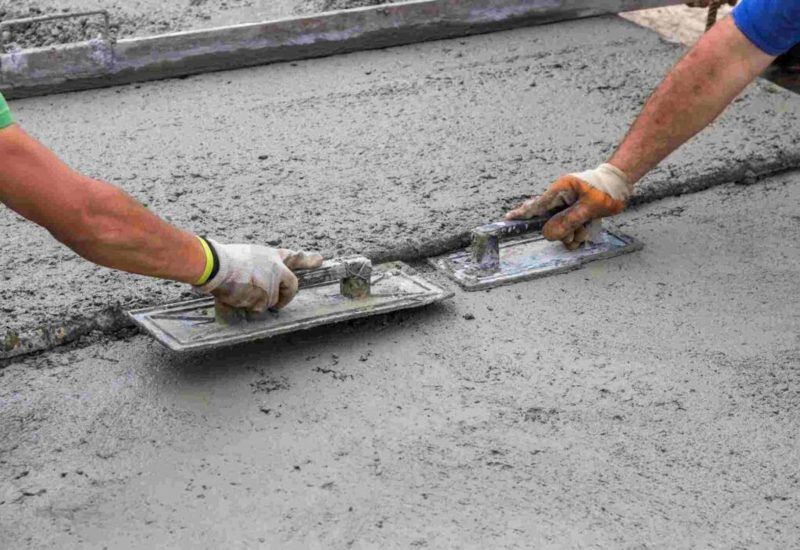
Two workers smoothing wet concrete with hand trowels on a fresh slab
By rladmin • July 22, 2026
Discover how Ashton Sawing and Drilling supports advanced concrete placement techniques for complex, unique structures requiring precision and durability.
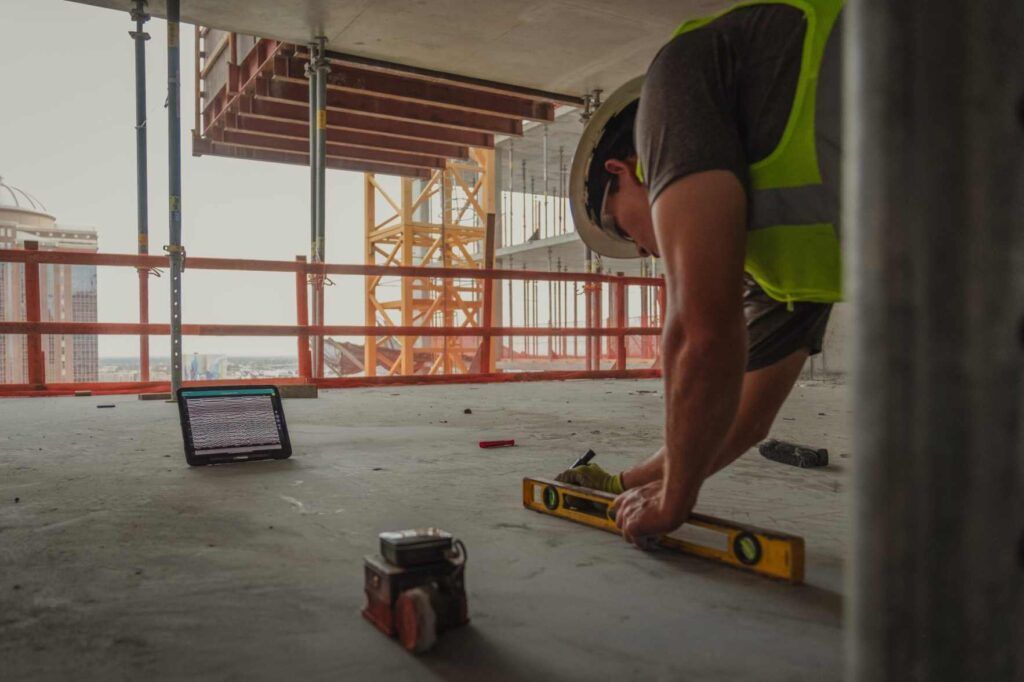
Worker in a safety vest leveling a concrete floor at a construction site.
By rladmin • July 20, 2026
Discover how Ashton Sawing and Drilling uses advanced concrete scanning to detect hidden hazards and prevent costly mistakes in construction projects.