Robotic Breaking
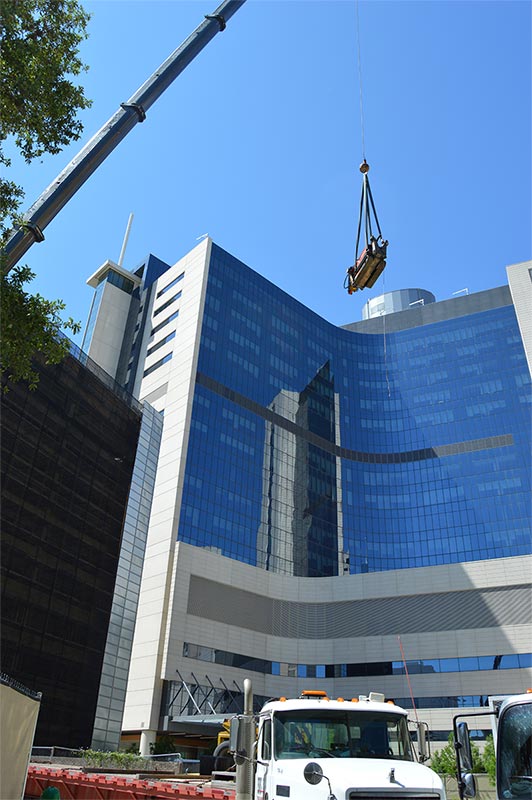
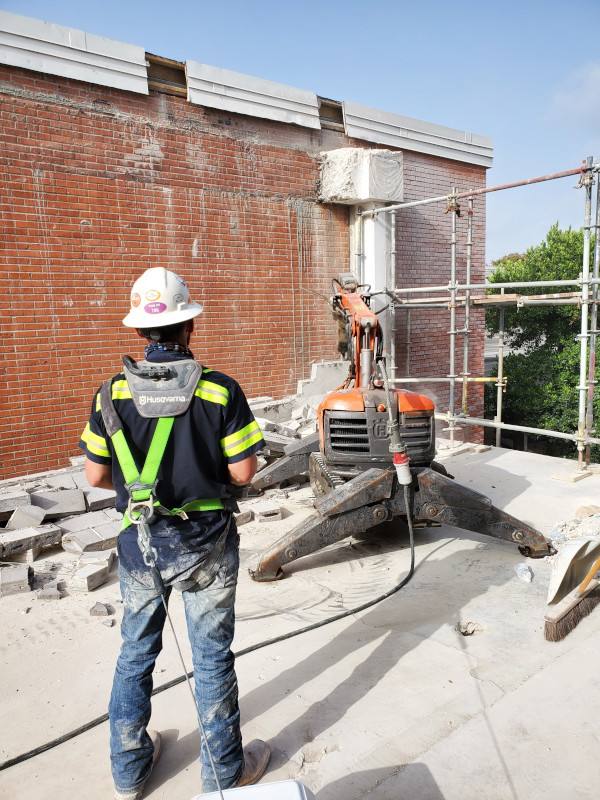
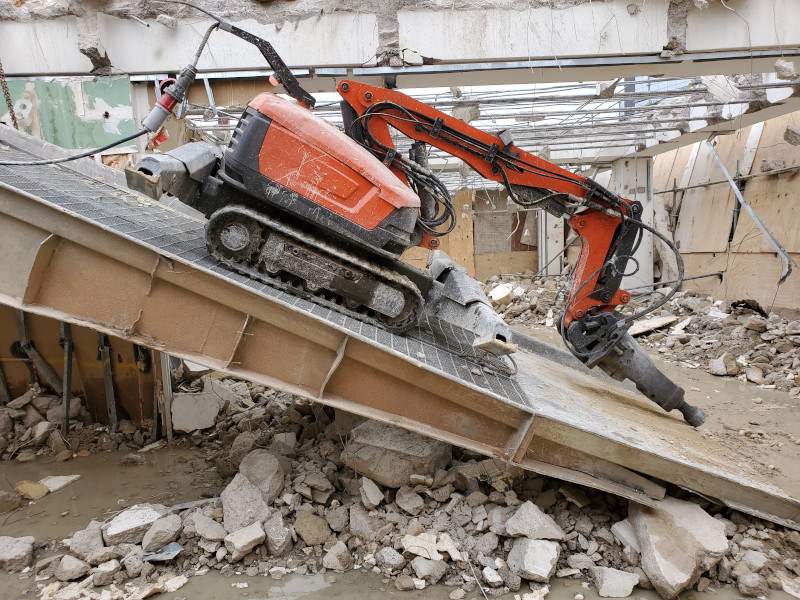
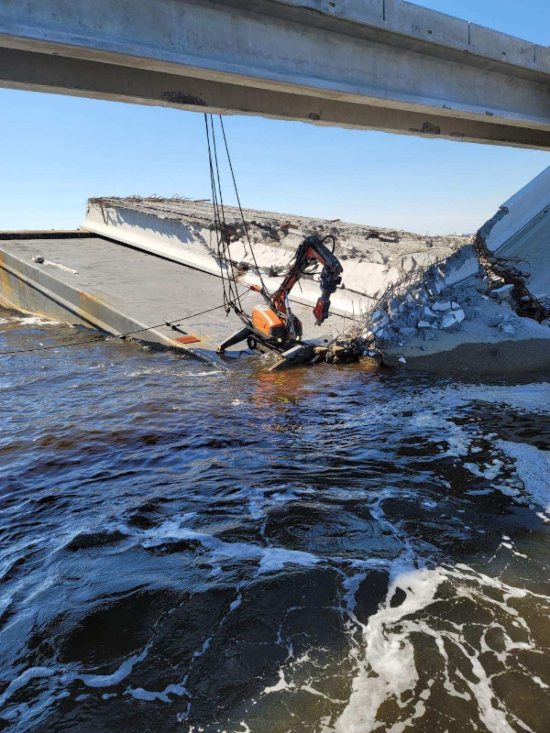
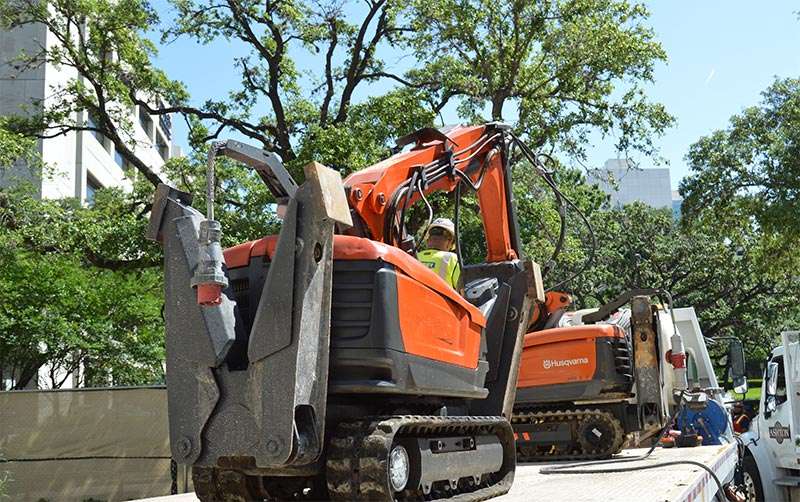
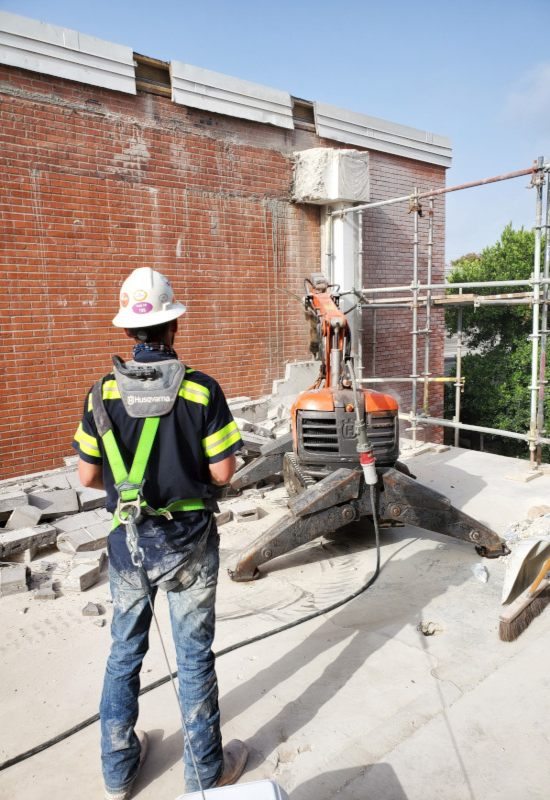
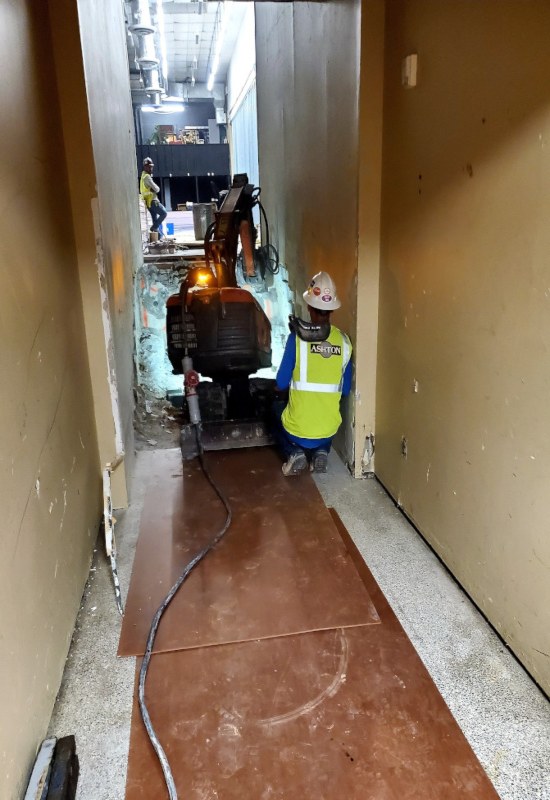
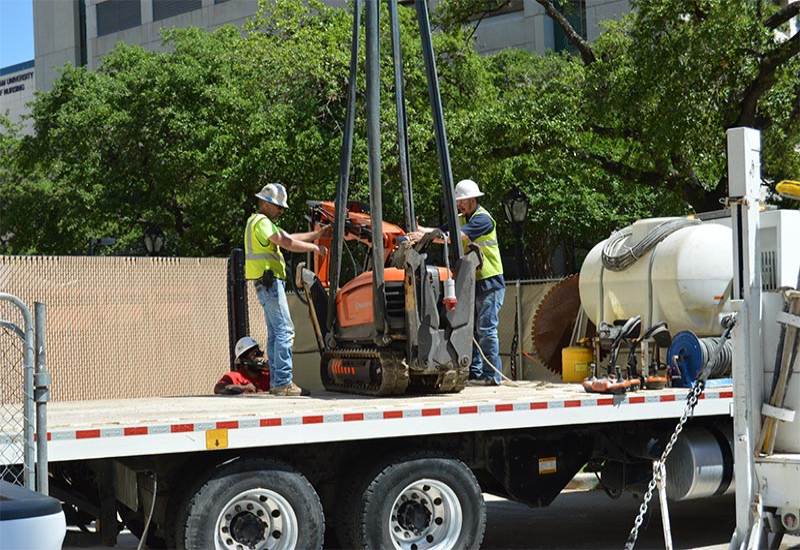
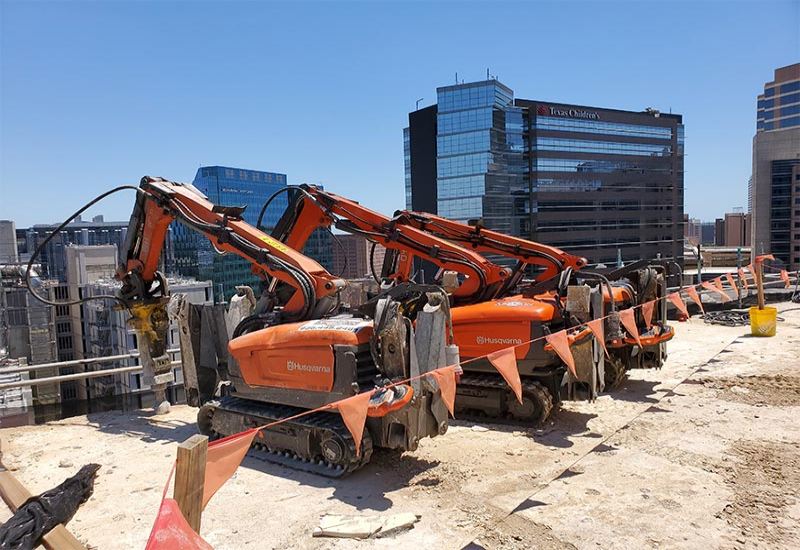
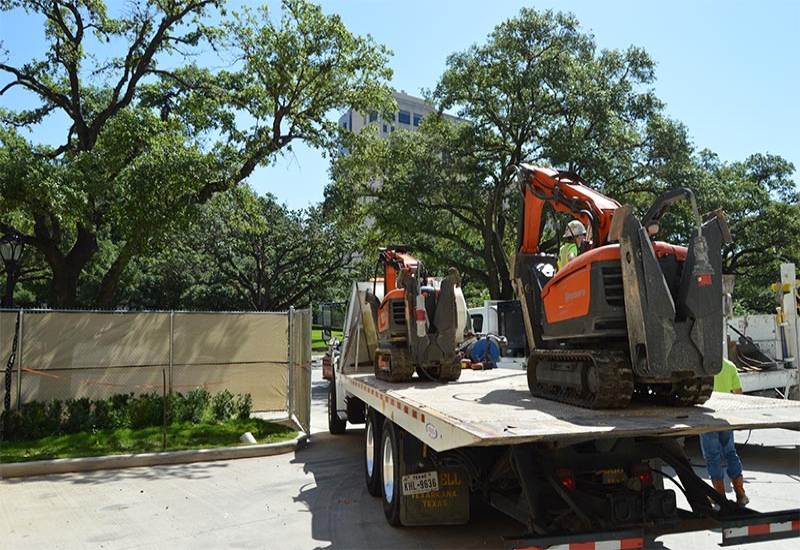
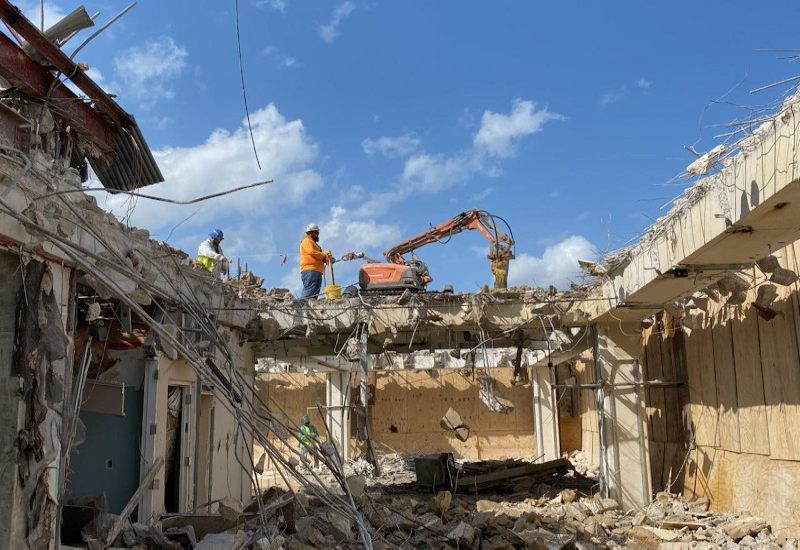
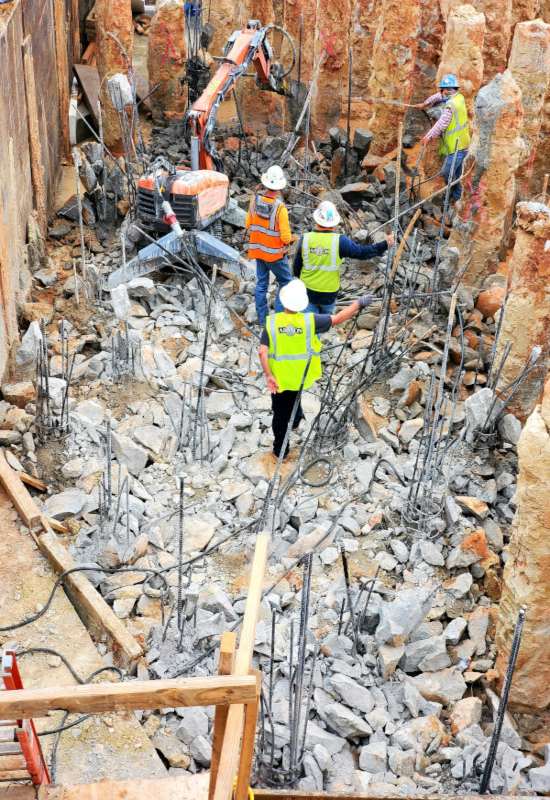
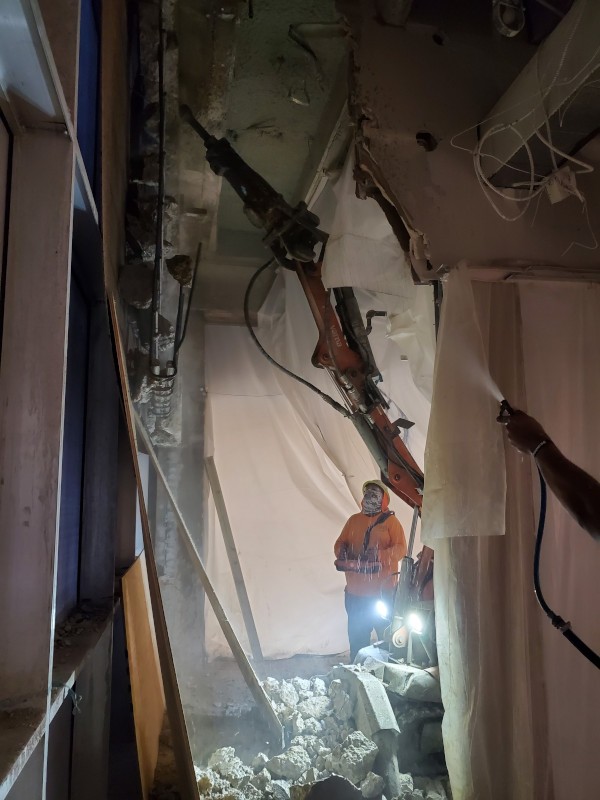
Robotic breaking is a demolition technique that allows an operator to remotely control a robotic hammer. Remote operation and the robot’s small size and agility allow it to safely and efficiently access demo sites that are dangerously located or in tight quarters, ones that could never be accessed by traditional equipment. Ashton Sawing and Drilling is the highest-skilled and most efficient partner for your robotic breaking needs. We have mastered this new technology and have maximized breaking of the strongest concrete, worked effectively in hazardous environments, and can complete a job up to 10 times faster than traditional methods. Our robotic hammer technicians have excelled at rigorous training and safety exercises to join the elite team that operates this equipment.
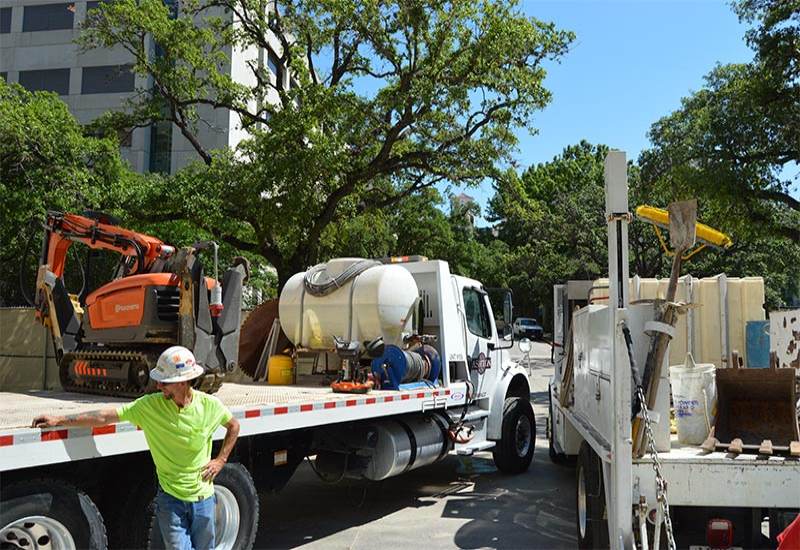
In addition to meeting your demolition needs quickly and safely, we can access any job site with minimal disruption, meaning business can carry on as usual while we are at work.
Applications
- Floor, ceiling or wall slab dismantling
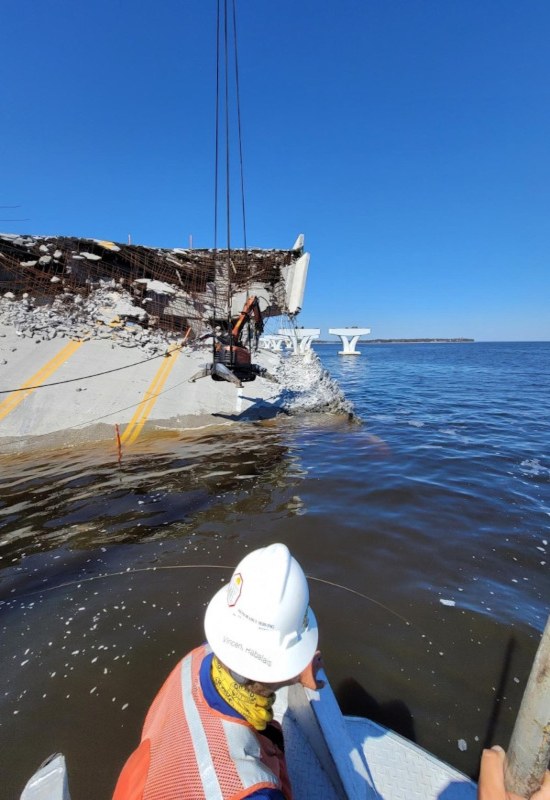
- Bridge demolition
- Highrise demolition
- Confined spaces
- Interior demolition
- Excavation
Tool Shop
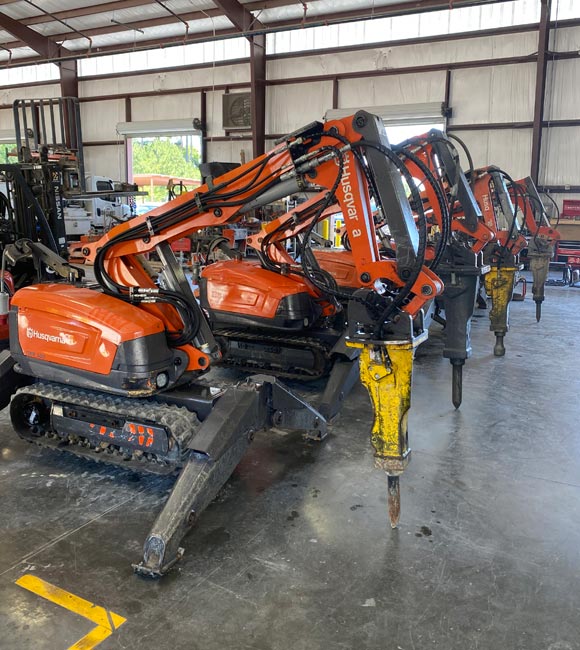
Ashton Sawing and Drilling’s versatile fleet of robotic hammers include three DXRs which are smaller than traditional hammers but extremely powerful and especially effective in tough environments. This wide range allows us to meet your needs on any jobsite – from the DXR 140, which is the most compact, to the DXR 300, which can carry up to a 400g workload. Ashton Sawing and Drilling’s robotic hammers do not use diesel or propane motors, which makes them safe to use within occupied buildings.
- The smallest of Ashton Sawing and Drilling’s fleet is perfect for cramped spaces where the job requires maneuverability and power
- Features a 360-degree rotatable arm
- With a high power-to-weight ratio, Ashton Sawing and Drilling uses this hammer on job sites with low ground pressure or limited lifting possibilities
- Individually-controlled outriggers and a large footprint provide maximum stability
- The largest and most adaptable of Ashton Sawing and Drilling’s fleet, the DXR 300 can fit through most doors, climb up stairs, and move over debris, making it perfect for jobsites with limited access
- With its fixed arm, the DXR 300 provides precise positioning
Frequently Asked Questions
Jackhammers are notorious for breaking up concrete. They have done the job for decades, but let’s be honest, they’re loud, messy, and exhausting. Robotic breaking is the modern upgrade. It uses a remote-controlled machine to chip, crush, or break concrete. It’s especially useful in tight, hard-to-reach, or unsafe spaces. There’s less risk, less strain on workers, and way more control. Instead of blasting through everything, breaker robots let crews get the job done more cleanly and accurately.
The biggest win is control. A robotic breaker can get into spaces where larger equipment simply can’t go and break concrete with precision instead of brute chaos. You also get:
- Less risk for workers (they’re operating the robot breaker remotely)
- Faster cleanup and more efficient breaking down of concrete
- Less vibration compared to traditional demo methods
- Better accuracy in sensitive areas
You’ll usually see robots breaking on commercial and industrial job sites where space is tight and precision matters. It’s especially useful on busy job sites in cities like Dallas, Houston, Baton Rouge, and New Orleans, where work often has to happen around other bustling businesses. Common uses include:
- Interior slab removal
- Structural concrete removal
- Plant and warehouse upgrades
- Parking structures
- Foundations and heavily reinforced areas
In a lot of ways, yes. Because robotic breaking is so precise, it helps reduce unnecessary waste. You’re not over-demolishing. You’re targeting exactly what needs to go. Also, many modern robotic breaker systems are electric or hybrid, which means lower emissions and less noise on site. That’s a big plus for indoor work or projects in active facilities.
Safer than most traditional demolition methods, hands down. Since the operator controls the robotic hammer remotely, they’re not standing next to falling concrete or unstable structures. That alone reduces a huge amount of risk. Add reduced vibration and more controlled breaking, and you get a much safer overall process for everyone on site.
Robotic hammers are made for precision. They are very accurate, but they still rely on a skilled operator and a clear plan. If the cut lines aren’t properly marked, or if the structure behaves differently than expected (for example, hidden rebar, unexpected thickness, or weak concrete), you can get minor overbreak or areas that chip beyond the intended line.
That said, compared to handheld demolition or larger uncontrolled methods, robotic breaking dramatically reduces the chances of going off target. Operators can make small, precise adjustments in real time, which helps correct things quickly if the concrete doesn’t break exactly as predicted.
At Ashton Sawing and Drilling, operators aren’t just “handed the controls” of a robotic hammer. Although there’s no single “robotic breaking certification,” our operators are qualified through a combination of:
- OSHA safety training
- Manufacturer equipment training
- In-house hands-on jobsite experience
- Years of commercial/industrial demolition background
If a project is tight, complex, or just too risky for traditional demo equipment, robotic breaking is usually the answer. It works best for:
- Building demolition and selective structural removal
- Bridge and highway repair work
- Tunnel rehabilitation projects
- Industrial flooring removal and slab demolition
- Concrete surface profiling and preparation
- Pool and spa renovations requiring careful breakout and removal
- Concrete Repair and Patching
- Underground Utility Repairs
- Nuclear Facilities
The best way to know for sure is to talk through your project with an experienced team. At Ashton Sawing and Drilling, we help contractors and project managers across Texas and Louisiana quickly determine the most efficient approach, whether that’s robotic breaking or if another method makes more sense. Either way, you’ll get a clear, straight answer so you can move forward.