The Benefits of Joint Sealing in Concrete: Protecting Your Investment
How Joint Sealing Protects and Extends the Life of Concrete
Concrete carries a lot of weight at commercial and industrial sites. It supports heavy machinery, forklift traffic, delivery vehicles, and daily foot traffic across plants, warehouses, hospitals, and transportation hubs. Yet one small detail often gets overlooked: the joints. Those thin gaps between slabs may look minor, but they play a major role in how long your concrete lasts. Understanding the benefits of joint sealing in concrete can help you protect a serious investment and avoid costly repairs down the road.
At Ashton Sawing and Drilling, we have spent 25 years helping facilities across Texas and Louisiana keep their concrete surfaces strong. Here is what every facility manager should know.
Understanding Concrete Joints
Concrete joints are intentional gaps built into slabs to manage movement. Concrete expands and contracts with temperature swings, moisture changes, and heavy loads. Without room to move, it cracks in random, damaging ways. Joints give that movement a controlled place to happen.
There are three main types you will find at most industrial and commercial sites:
- Control joints guide where cracks form, usually at planned intervals.
- Expansion joints absorb the natural expansion and contraction of large slabs.
- Construction joints appear where two separate concrete pours meet.
Why Concrete Joint Sealing Is Important
Understanding why concrete joint sealing is important comes down to what happens when joints stay open. An unsealed joint acts like an open door. Water flows in, reaches the subbase beneath the slab, and washes away the soil that supports it. Over time, the slab settles unevenly, cracks spread, and edges begin to break down.
For industrial facilities like petrochemical plants and manufacturing floors, the stakes climb even higher. Chemical spills and constant heavy loads accelerate joint damage. In transportation settings such as roadways, railroads, and airports, failing joints create safety hazards and disrupt operations. Sealing keeps contaminants out, which is the foundation of both concrete joint maintenance and preventing concrete damage before it starts.
How Concrete Joint Sealing Works
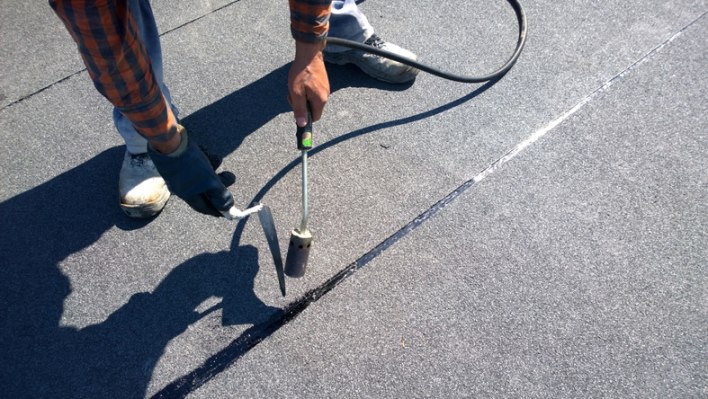
Effective concrete joint sealing follows a proven process. Skipping steps leads to sealant that peels, cracks, or fails early. Here is how our crews approach it:
- Preparation. We clean each joint completely, removing old sealant, dirt, and debris. Clean joints allow the new sealant to bond properly.
- Sealant selection. We choose flexible, durable products such as polyurethane or silicone that flex with concrete and withstand Gulf State heat, humidity, and chemical exposure.
- Application. Our team applies the sealant evenly, filling the joint fully and shaping it for a tight, uniform seal.
- Curing. The sealant needs time to set. We protect the joints from traffic during this window to guarantee the best result.
Because we are a turn-key contractor, we handle joint sealing alongside concrete placement, and sawing and drilling. Most competitors offer only one of these services. We deliver them all under one roof, which saves you time and coordination headaches.
Benefits of Joint Sealing in Concrete
The benefits of joint sealing in concrete add up quickly for commercial and industrial operations:
- Water damage prevention. Sealed joints keep moisture out of the subbase, protecting your slab from erosion and uneven settling.
- Crack and freeze-thaw protection. By blocking water and debris, sealing reduces the freeze-thaw cycles and pressure that cause cracks to grow.
- Longer surface life. Protecting concrete surfaces at the joint level extends the working life of your entire floor or pavement.
- Lower repair costs. Preventive concrete joint maintenance costs far less than major slab repairs or full replacement.
- Cleaner, safer facilities. Sealed joints block dirt, chemicals, and debris, keeping your site professional and safe.
- Stronger structural integrity. Reducing material loss inside the joint helps hold the whole slab system together.
Concrete Joint Maintenance Best Practices
Good concrete joint maintenance is an ongoing effort, not a one-time task. Keep these practices in mind:
- Schedule regular inspections. Walk your joints at least twice a year and after major weather events.
- Clean joints routinely. Remove standing debris and chemicals before they settle in.
- Address problems early. Small gaps and cracks are cheaper to fix than large ones.
- Partner with professionals. A trained crew spots issues you might miss and applies sealant that lasts.
- Keep records. Track when joints were last sealed so you can plan resealing before failure sets in.
Signs Your Concrete Joints Need Attention
Watch for these warning signs at your facility:
- Cracked, hardened, or missing sealant
- Water pooling near or along joints
- Visible gaps collecting dirt or debris
- Uneven slabs or settling around joints
- Crumbling or spalling concrete at joint edges
If you notice any of these, it is time to act. Early intervention is central to preventing concrete damage and keeping repair budgets under control.
Frequently Asked Questions
How Often Should Concrete Joints Be Inspected and Resealed?
Inspect joints at least twice a year. Resealing schedules vary by traffic, chemical exposure, and climate, but many commercial sites reseal every three to five years.
What Happens if Water Penetrates Unsealed Concrete Joints?
Water erodes the subbase beneath the slab, causing uneven settling, cracks, and eventual structural failure if left unaddressed.
Can Joint Sealing Be Performed on Older Concrete Surfaces?
Yes. Older concrete benefits greatly from sealing. We clean and prepare aging joints thoroughly before applying fresh sealant for a strong bond.
What Is the Best Time of Year to Apply Concrete Joint Sealant?
Mild, dry conditions work best. In Texas and Louisiana, spring and fall offer ideal temperatures and lower humidity for proper curing.
How Long Does a Professionally Installed Concrete Joint Sealant Typically Last?
With quality materials and expert application, sealant often lasts five years or more, depending on traffic and environmental conditions.
Protect Your Concrete with Ashton Sawing and Drilling
As a family-owned industry leader in the Gulf States, Ashton Sawing and Drilling brings 25 years of experience, multiple offices, a large fleet, and quick turnarounds to every project. Contact us today for a free estimate and let our team keep your concrete strong for years to come.