The Role of Rebar Services in Strengthening Concrete Structures
Concrete is the backbone of commercial and industrial construction. Warehouses, parking structures, bridges, and manufacturing facilities all rely on it. But concrete alone can only do so much. Left unreinforced, it cracks, shifts, and fails under pressure. That is where rebar comes in. Understanding the role of rebar services helps project owners across Texas and Louisiana build structures that last for decades.
At Ashton Sawing and Drilling, we have spent 25 years helping commercial and industrial clients get concrete work done right. From Dallas and Houston to New Orleans and Baton Rouge, our teams deliver reliable concrete reinforcement solutions built for demanding projects.
Understanding Rebar and Its Purpose
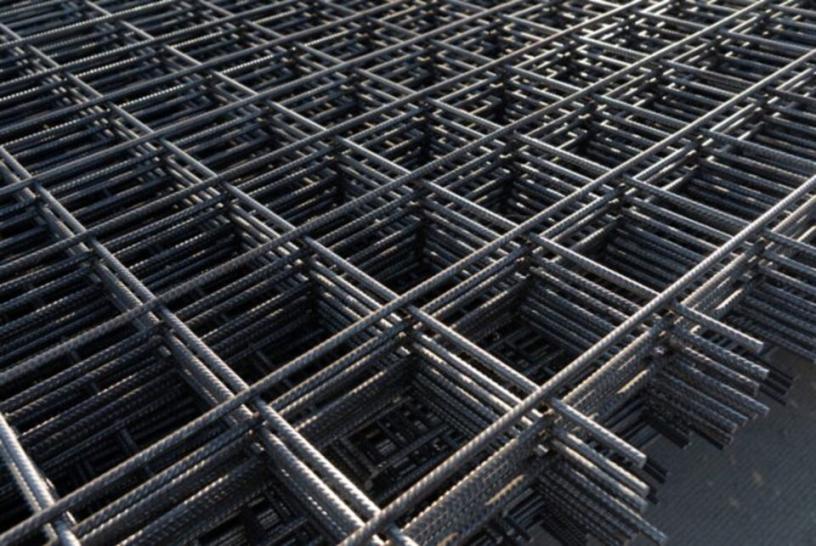
Rebar, short for reinforcing bar, is a steel bar placed inside concrete before it sets. Its job is simple but critical: to give concrete the tensile strength it naturally lacks.
Concrete handles compression well. It can carry heavy loads pressing down on it. However, it performs poorly when pulled or bent. Steel is the opposite. It resists tension and stretching with ease. When you combine the two, you get a material that withstands both forces. This partnership is the foundation of nearly every large-scale concrete structure you see today.
The importance of rebar in concrete becomes clear the moment a structure faces stress. Wind, shifting soil, heavy equipment, and temperature swings all put strain on concrete. Rebar holds everything together and keeps small cracks from becoming major failures.
How Rebar Strengthens Concrete
To understand how rebar strengthens concrete, think about what happens under load. When a heavy truck rolls across a concrete slab or a building settle onto its foundation, the concrete experiences both compression and tension. The bottom of a beam, for example, stretches while the top compresses.
Without steel reinforcement, that stretching would crack the concrete quickly. Embedded rebar absorbs the tension instead. The ridges along each bar, called deformations, grip the surrounding concrete tightly. This bond ensures the two materials work as one unit rather than pulling apart.
Rebar also distributes stress across a wider area. Instead of one weak point bearing the full force, the load is distributed throughout the reinforced section. This is why properly placed rebar dramatically extends the lifespan of industrial floors, structural columns, and load-bearing walls.
The Importance of Rebar in Concrete
For commercial and industrial projects, cutting corners on reinforcement is never worth the risk. A reinforced structure resists cracking, spalling, and collapse, handling heavy machinery, constant traffic, and the humid, shifting conditions common across the Gulf States. The benefits go beyond raw strength. Reinforced concrete lowers long-term maintenance costs, reduces the chance of expensive repairs, and protects your investment for years to come.
Key Rebar Services Used in Modern Construction
Rebar services in concrete construction cover far more than laying steel in a form. Modern projects require precision at every stage, and reinforcement often works hand in hand with other concrete services.
Here are the core services that support strong reinforced concrete:
- Concrete sawing and wall sawing to create precise openings without damaging surrounding reinforcement. Our concrete sawing services deliver clean, accurate cuts on any commercial project.
- Core drilling for utility passages, anchors, and inspection points. Learn more about our core drilling capabilities.
- Concrete placement that positions rebar correctly and pours around it for a solid bond.
- Concrete breaking, removal, and robotic demolition when reinforced sections need to come out safely.
Ashton is a true turn-key contractor. Most competitors handle only one piece of the puzzle, forcing you to hire several subcontractors. We do it all, from cutting and drilling to placement. That means fewer vendors, smoother timelines, and one accountable partner.
Common Challenges Without Proper Rebar Installation
Skipping or mishandling reinforcement causes serious problems. Here are the most common issues we see when rebar is installed poorly or left out entirely:
- Cracking and structural failure. Unreinforced concrete cracks under tension, and those cracks spread fast.
- Corrosion. Rebar placed too close to the surface can rust, especially in humid Gulf Coast climates. Rust expands and breaks the concrete apart.
- Uneven load distribution. Poorly spaced bars leave weak spots that concentrate stress.
- Costly repairs. Fixing a failed structure costs far more than reinforcing it correctly upfront.
Why Choose Ashton Sawing and Drilling
For two decades, Ashton has grown into one of the largest and most trusted commercial concrete service companies in the Gulf States. We keep a family-owned mentality, which means every client is treated like part of the family and receives that level of care.
With multiple office locations, new equipment, and quick turnarounds, we serve projects of every size. Some competitors only take on massive jobs or tiny ones. We accommodate the full range, delivering the same quality and attention no matter the scope. Whether your site is in Dallas, Houston, across Texas or Louisiana, our crews are ready. We travel across the United States for the right job.
Frequently Asked Questions
What Types of Rebar Are Commonly Used in Concrete Construction?
Carbon steel rebar is the most common, valued for its strength and affordability. For corrosive or moisture-heavy environments, epoxy-coated, galvanized, or stainless steel options offer added rust resistance.
How Do Engineers Determine the Amount of Rebar Needed for a Project?
Engineers calculate rebar based on expected loads, span, concrete grade, and building codes, factoring in tension, compression, and safety margins to meet strength and code requirements.
Can Rebar Be Added to Existing Concrete Structures?
Yes. New bars can be drilled and epoxied into place, or external strengthening systems can be applied. This is common during renovations or when a structure needs to carry heavier loads.
What Happens if Concrete Is Poured Without Proper Reinforcement?
Unreinforced concrete fails quickly under tension or shifting loads, leading to cracking, weakening, and potential collapse. For commercial and industrial projects, proper reinforcement is essential.
Is Rebar Necessary for Every Concrete Project?
Not always, but nearly all load-bearing commercial and industrial structures require it. Foundations, columns, beams, and heavy-use slabs all depend on reinforcement to stay safe and durable.
Build Stronger with Ashton
Strong concrete starts with the right reinforcement and the right partner. If you have a commercial or industrial project in Texas or Louisiana, trust the team that has done it right for 20 years. Contact Ashton Sawing and Drilling today for a free estimate and discover why the Gulf States rely on us for complete concrete solutions.