
Innovative Uses of Lightweight Concrete in Modern Construction
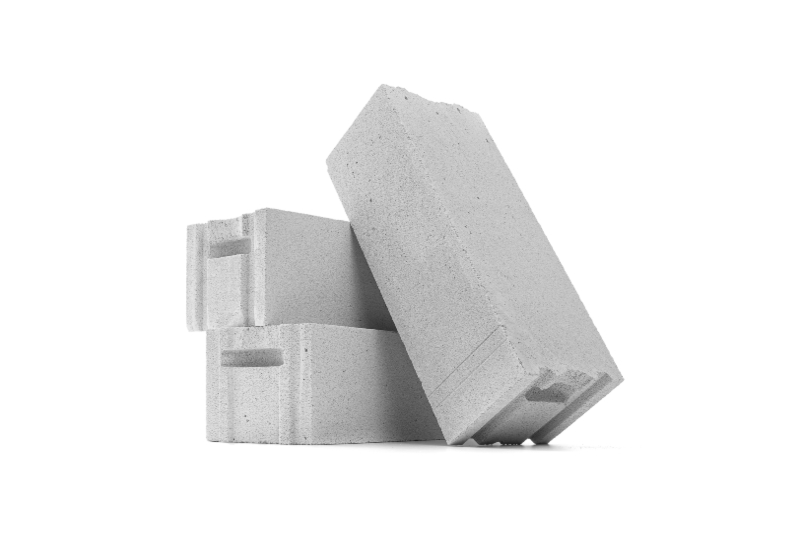
Lightweight concrete is becoming one of the most talked-about materials in modern construction. Across Texas and Louisiana, commercial and industrial builders are turning to this technology to meet structural demands while improving energy efficiency and sustainability. This trend is part of a broader movement toward eco-friendly building materials that reduce costs and support long-term durability.
Lightweight concrete offers strength, versatility, and reduced load on structural elements. It provides solutions for projects where traditional concrete might be too heavy or costly to transport. These qualities make it a valuable choice for commercial buildings, parking structures, bridges, and multi-level facilities.
The Science Behind Lightweight Concrete
Traditional concrete uses dense aggregates like gravel or crushed stone. Lightweight concrete substitutes those with expanded shale, clay, or pumice. The result is a mixture that weighs less without sacrificing performance. Its lower density allows for easier handling, reduced foundation loads, and faster installation.
Contractors across the Gulf States are adopting this approach because it supports sustainable concrete solutions. The mix improves thermal insulation and sound absorption, which helps reduce energy consumption and enhances occupant comfort in large commercial spaces.
Applications in Commercial & Industrial Construction
Lightweight concrete is not just a niche material. It is shaping major construction trends across the South. Many large-scale facilities are choosing it for slab pours, elevated decks, and precast panels.
In Houston and Dallas, where large industrial and logistics centers dominate the landscape, builders value how this material simplifies structural design. The lighter weight allows engineers to create taller buildings with fewer load-bearing elements. It also helps reduce costs associated with foundations and transport.
In New Orleans and Baton Rouge, lightweight concrete helps combat moisture and settlement issues common in coastal regions. Its enhanced durability makes it ideal for parking garages, marine structures, and elevated platforms.
Supporting Modern Building Efficiency
Modern construction emphasizes efficiency at every level. Lightweight concrete supports that goal by lowering fuel consumption during transportation and reducing the need for heavy reinforcement. The material’s thermal efficiency also helps regulate building temperatures, cutting down on HVAC energy use.
It is one of several eco-friendly building materials now setting the standard for commercial projects. As stricter environmental regulations continue to develop across Texas and Louisiana, companies that integrate sustainable options early gain a competitive advantage.
Innovative Service Integration
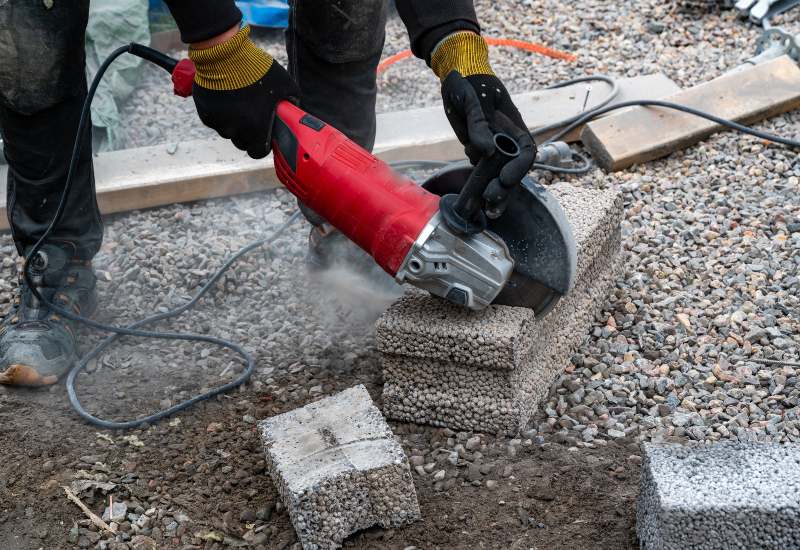
Ashton Sawing & Drilling integrates lightweight concrete applications with advanced services like diesel and electric slab sawing, wire and wall sawing, and robotic breaking. These techniques make it easier to shape, cut, and modify lightweight structures during both construction and renovation.
For instance, when creating large openings in precast walls or retrofitting existing facilities, precision cutting ensures structural integrity remains intact. Robotic equipment enhances safety by allowing work in tight or hazardous spaces, a major advantage for industrial facilities with limited access.
The same precision applies to break and haul services. Lightweight concrete can be removed and replaced quickly without disrupting ongoing operations. This efficiency makes it a strong choice for time-sensitive commercial projects.
Cost-Effectiveness in Long-Term Projects
One of the strongest arguments for lightweight concrete is its cost efficiency. The reduced weight means less reinforcement, lower transport expenses, and faster installation. Over time, the improved insulation and reduced energy needs generate additional savings.
For project managers in Texas and Louisiana, these benefits translate into a lower total cost of ownership. Contractors appreciate that they can meet sustainability goals while keeping projects within budget.
When combined with Ashton’s full-service capabilities, from foundation and structural concrete placement to selective demolition, clients receive a complete, turn-key solution. This eliminates the need to coordinate multiple subcontractors and ensures consistent quality from start to finish.
The Role of Lightweight Concrete in Sustainable Design
Sustainability is not just a buzzword in today’s construction industry. It is a guiding principle. Lightweight concrete plays a major role by reducing embodied carbon and using recycled materials in many mixes. Some blends even incorporate industrial byproducts like fly ash, which helps minimize waste and conserve resources.
Architects and engineers value its flexibility. It supports modern design while contributing to LEED certification goals. For large commercial structures seeking both performance and environmental responsibility, lightweight concrete checks every box.
Across the Gulf States, forward-thinking contractors are pairing this material with digital modeling and laser-guided equipment to streamline workflows. These construction trends highlight a future where sustainability and productivity work hand in hand.
The Future of Lightweight Concrete in the Gulf Region
As the demand for efficient, resilient infrastructure grows, lightweight concrete is set to play an even larger role. Cities in Texas and Louisiana are expanding rapidly, and the need for durable yet adaptable materials continues to rise.
From warehouses and hospitals to stadiums and transportation hubs, lightweight concrete allows for innovative design without compromise. It also supports faster project completion, an essential factor in competitive construction environments.
Companies that integrate this material into their planning can stay ahead of regulatory shifts and market expectations.
Partner With Ashton Sawing & Drilling
For commercial and industrial clients exploring lightweight concrete applications, Ashton Sawing & Drilling delivers unmatched expertise. With two decades of experience and operations throughout Texas and Louisiana, Ashton provides the precision and reliability that modern construction demands.
Our team combines cutting-edge technology with a family-owned commitment to service. From slab sawing and wire sawing to break and haul and foundation work, Ashton offers complete sustainable concrete solutions for every project. Contact Ashton Sawing & Drilling today to learn how innovative lightweight concrete can elevate your next commercial build.