Load and Haul Services: Streamlining Concrete Removal for Large-Scale Projects
How Load and Haul Services Streamline Large-Scale Concrete Removal
Concrete demolition creates a mountain of debris and moving it off-site can stall your entire schedule. If your commercial or industrial project is generating tons of broken slab, rebar-laced rubble, and heavy debris, you need a plan for getting it out fast. That is where load and haul services come in.
In this post, you will learn what load, and haul services involve, how they work, and why they matter for large-scale jobs. We will also cover common removal challenges, proven strategies, and answers to the questions facility managers and general contractors ask most. For teams across Texas and Louisiana, the goal is simple: keep the site clear, the timeline tight, and the budget on track.
Understanding Load and Haul Services
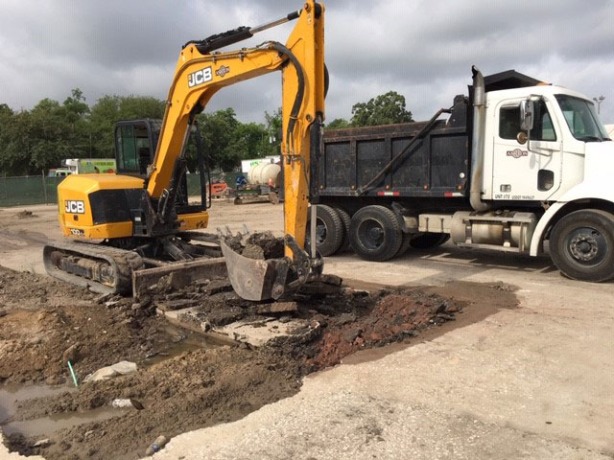
Load and haul services cover the collection, loading, and transport of concrete debris away from your job site. After demolition or slab removal, someone has to move the material to a recycling center, landfill, or approved disposal facility. That job requires the right trucks, trained operators, and a firm grasp of local regulations.
For commercial and industrial clients, this is not a small task. A single warehouse floor or parking structure can produce hundreds of tons of debris. Handling that volume safely calls for professional concrete hauling solutions, not a rented dump trailer.
The benefits of load and haul services are clear: you avoid site congestion, reduce liability, and keep crews focused on the work that pushes your project forward. When a dedicated team manages hauling, the rest of the job runs smoother.
How Load and Haul Services Work
Understanding how load and haul services work helps you plan the debris side of any demolition. Most projects follow a predictable sequence, and each step depends on coordination between the demolition crew and the hauling team.
Here is the typical process:
- Assessment: The team reviews the site, estimates debris volume, and identifies access points for trucks.
- Staging: Crews break and stack material into manageable piles, separating rebar and mixed debris where needed.
- Loading: Excavators, loaders, or skid steers move debris into haul trucks or roll-off containers.
- Transport: Loaded trucks carry material to a recycling facility or approved disposal site.
- Site cleanup: The crew clears remaining fragments so the next phase can begin.
This flow keeps debris moving instead of piling up. A well-run concrete removal for large-scale projects operation treats hauling as part of the demolition plan, not an afterthought.
Common Challenges in Large-Scale Concrete Removal
Large jobs bring problems that small residential work never faces. Knowing these obstacles ahead of time helps you avoid delays and surprise costs.
- Volume and weight: Reinforced concrete is dense and heavy. Underestimating tonnage leads to too few trucks and stalled progress.
- Site access: Tight urban lots, active facilities, and limited entry points slow down loading and transport.
- Regulatory compliance: Disposal rules vary by county and state. Improper dumping carries steep fines.
- Safety risks: Sharp rebar, dust, and heavy machinery create hazards for crews and bystanders.
- Scheduling conflicts: Debris removal that clashes with other trades causes bottlenecks.
Efficient Concrete Removal Strategies
Efficient concrete removal starts long before the first truck arrives. A smart strategy saves money, protects your schedule, and keeps the site safe.
Use these approaches on your next large-scale job:
- Estimate accurately. Calculate debris volume early so you book enough trucks and containers from day one.
- Coordinate demolition and hauling. When breaking and hauling teams work in sync, debris never sits idle. Pairing services like concrete breaking and removal with dedicated hauling keeps material flowing.
- Separate materials. Sorting clean concrete from mixed debris improves recycling rates and lowers disposal fees.
- Sequence the work. Schedule loading during low-traffic windows to avoid clashing with other trades.
- Use modern equipment. Newer machines move more material with less downtime.
For complex structures, techniques like robotic demolition reduce manual labor and speed up the breaking phase, which feeds directly into faster hauling. The result is a cleaner site and a shorter timeline.
The Importance of Professional Hauling Services
Cutting corners on hauling almost always costs more in the end. Professional teams bring the equipment, licensing, and experience that keep your project compliant and on schedule.
At Ashton Sawing and Drilling, we have spent 20 years building one of the most trusted commercial concrete operations in the Gulf States. Here is what sets our approach apart:
- Multiple office locations across Texas and Louisiana for fast response.
- New, well-maintained equipment that handles heavy loads without breakdowns.
- Quick turnarounds that keep your timeline intact.
- Projects of all sizes, from focused jobs to sprawling industrial sites.
- A family-owned mentality that treats every client like part of the family.
Frequently Asked Questions
What Types of Concrete Debris Can Be Handled Through Load and Haul Services?
Professional teams handle broken slabs, foundations, parking structures, reinforced concrete with rebar, and mixed demolition debris.
How Is Concrete Waste Typically Recycled After Removal?
Clean concrete is crushed into aggregate for use as road base, fill, or new construction material, cutting landfill costs and supporting sustainable building practices.
How Do Load and Haul Services Help Reduce Project Delays?
Continuous debris removal keeps crews moving and ensures the next phase starts on time.
What Equipment Is Commonly Used for Large-Scale Concrete Hauling?
Common equipment includes excavators, loaders, skid steers, dump trucks, and roll-off containers.
Can Hauling Services Be Scheduled Alongside Active Construction Operations?
Yes. Experienced teams plan loading and transport around your active operations, using low-traffic windows to avoid disrupting other trades.
Clear Your Site Faster
Debris should never dictate your schedule. With accurate planning, modern equipment, and coordinated crews, load and haul services keep your large-scale project moving from demolition to finish.
If you manage a commercial or industrial project in Texas or Louisiana, Ashton Sawing and Drilling is ready to help. Contact us today for a free estimate and discover how our turn-key concrete services can streamline your next job.