
The Science Behind Concrete Wire Sawing: Precision Cutting for Complex Projects
Discover the Science Behind Concrete Wire Sawing
Precision matters when concrete structures demand clean separation, tight tolerances, and minimal disruption to surrounding materials. This blog breaks down the science behind concrete wire sawing and why it remains a trusted method for complex cutting projects in commercial and industrial settings. We bring our proven experience with concrete wire sawing to provide education on how to deliver controlled results. You will learn how wire saw systems operate, where they perform best, and how skilled crews turn advanced equipment into dependable outcomes on demanding job sites.
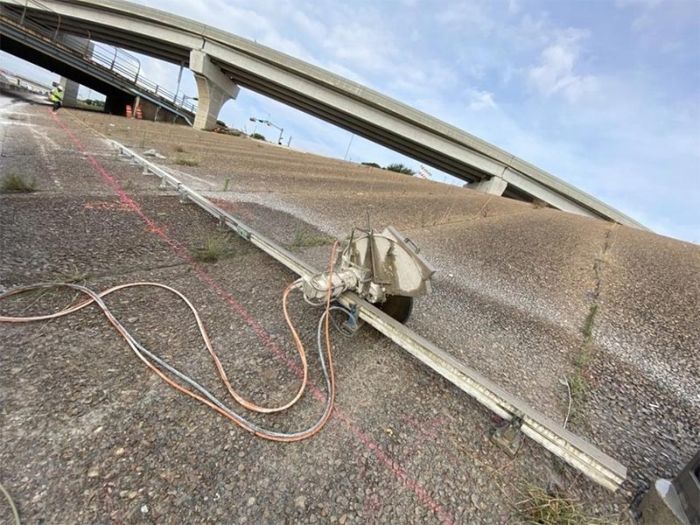
Understanding Concrete Wire Sawing
Concrete wire sawing uses a continuous loop of diamond-embedded cable to cut through thick or heavily reinforced concrete with high control. This method works well in tight spaces or on large structural elements where traditional saws cannot reach. Crews guide the cable along a planned path, allowing precise separation with reduced vibration and clean edges. Wire sawing concrete supports demanding applications such as bridge sections, foundations, and industrial structures where accuracy and stability remain critical.
The Science Behind the Technology
Diamond-beaded wire, consistent tension, and controlled rotational speed work together to power precision concrete cutting. The cable grinds through concrete rather than tearing, which limits stress on surrounding structures and improves accuracy. Water cools the wire and reduces friction, helping maintain cutting efficiency over long distances. Operators adjust feed rate and pressure based on material density and reinforcement levels. This balance of mechanical force and heat control allows clean, controlled cuts through thick concrete sections without compromising structural integrity.
Key Components of a Wire Sawing System
Concrete wire sawing systems rely on several specialized components that work together to deliver clean, controlled cuts through dense and reinforced structures. Each part plays a clear role in maintaining accuracy, managing tension, and supporting smooth operation under heavy load conditions. Crews depend on this coordinated system to complete demanding cuts on large-scale commercial and institutional projects. A clear understanding of these components helps explain how consistent performance and precise results are achieved in the field every day:
- Diamond Wire Cable – The cable features evenly spaced diamond beads that grind through concrete and steel reinforcement. It provides the cutting action while maintaining flexibility for curved or complex paths.
- Drive Unit – The drive unit powers the wire and controls the rotation speed during operation. It allows operators to adjust performance based on material density and job requirements.
- Pulley System – Pulleys guide the wire along the planned cutting path with steady alignment. They also help maintain proper tension to ensure clean, accurate cuts.
- Water Supply System – Water cools the wire and reduces friction during cutting. It also helps control dust and extends the equipment’s lifespan.
- Control Panel – The control panel gives operators command over speed, tension, and feed rate. It supports precise adjustments to maintain safe and efficient cutting conditions.
Advantages of Wire Sawing for Complex Projects
Complex structures demand cutting methods that stay accurate under pressure. Wire sawing offers a reliable approach for projects with heavy reinforcement, tight access, or large concrete sections that require careful separation. Crews maintain control over each cut, which helps protect nearby materials and keep work on schedule. The following advantages explain why wire sawing continues to serve complex commercial and industrial applications with dependable results:
- High Precision – Wire sawing delivers clean, accurate cuts that meet tight tolerances on demanding projects. This level of control helps maintain structural integrity during critical work phases.
- Minimal Vibration – The cutting process reduces vibration compared to traditional methods. Nearby structures remain stable and protected during cutting operations.
- Versatile Application – Wire saw systems adapt to vertical, horizontal, and irregular cutting paths. They handle large structures and confined spaces with equal efficiency.
- Reduced Noise Levels – Equipment operates with lower noise output in active job environments. This supports better working conditions and easier coordination with other trades.
Applications in Modern Construction
Modern construction projects rely on methods that handle scale, complexity, and structural demands with steady control. Contractors use wire-saw cutting to cut concrete for bridge sections, thick foundations, columns, and heavily reinforced walls where standard tools fall short. This technique supports precise removal in tight or sensitive areas, including retrofit work and industrial upgrades. Crews manage large structural changes while keeping surrounding materials intact, which helps maintain project timelines and job site efficiency across a variety of commercial and industrial applications.
Comparison With Other Cutting Methods
Different concrete cutting methods serve specific purposes, yet each comes with limits that affect performance on complex jobs. Wire sawing stands apart with its ability to handle thick, reinforced structures while maintaining control and accuracy. Other techniques, such as wall, slab, and hand sawing, remain effective for more straightforward applications. A clear comparison helps explain where each method performs best and why wire sawing continues to be selected for demanding industrial and commercial work:
- Wire Sawing vs. Wall Sawing – Wire sawing handles larger and thicker sections that wall saws cannot manage. Wall sawing works well for flat surfaces but has size and depth limitations.
- Wire Sawing vs. Slab Sawing – Wire sawing cuts deep and irregular shapes without restriction from surface orientation. Slab sawing performs best on horizontal surfaces with more limited depth capacity.
- Wire Sawing vs. Hand Sawing – Wire systems support heavy-duty cuts with consistent control over long distances. Hand sawing is best for small or detailed cuts where access remains tight, and depth is limited.
- Wire Sawing vs. Core Drilling – Wire sawing removes large sections of concrete with continuous cutting action. Core drilling creates a precise circular opening rather than full structural separations.
Safety and Environmental Considerations
Wire sawing requires careful planning and strict safety practices to support controlled cutting on active job sites. Crews manage equipment setup, cable tension, and cutting paths with close attention to detail, which helps maintain a stable work environment. Water use plays an important role in reducing airborne dust and cooling the cutting system during operation. Proper containment and cleanup methods keep surrounding areas organized and compliant with site standards. These measures support worker safety and responsible environmental practices during demanding on-site cutting projects.
Get Reliable Results on Your Next Project
Concrete projects demand accuracy, control, and a team that can deliver consistent results under pressure. This style of concrete sawing provides the precision needed for complex structures, heavy reinforcement, and large-scale removals. Skilled crews, advanced equipment, and careful planning lead to clean cuts and efficient timelines. Reach out today to schedule expert concrete wire sawing and keep your project moving forward with confidence.
Concrete Wire Sawing FAQ
Can Wire Sawing Be Used in Tight or Confined Spaces?
Wire sawing systems can be set up in areas with limited access. The flexible cable allows crews to cut around obstacles and work in restricted job-site conditions.
How Accurate is Concrete Wire Sawing?
Wire sawing provides high precision when operators control speed, tension, and feed rate. This accuracy supports projects that require exact cuts and minimal structural impact.
How Long Does a Wire Sawing Project Take?
Project timelines depend on the size, thickness, and complexity of the structure being cut. Skilled crews and modern equipment help keep work moving efficiently.
What Types of Projects Benefit Most from Wire Sawing?
Large-scale commercial, industrial, and infrastructure projects benefit most from wire sawing. It works well for tasks that require cutting thick concrete with control and precision.