
Energy Efficiency Through Thermal Mass in Concrete Structures
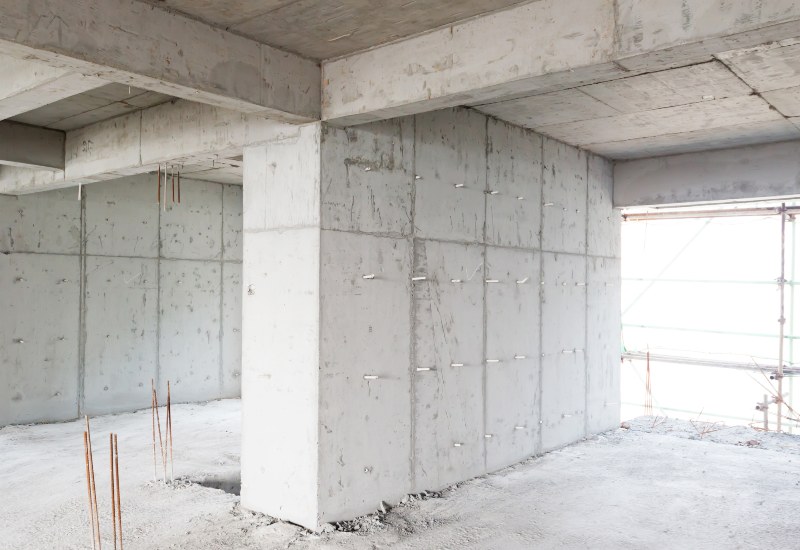
Energy efficiency has become one of the most important priorities in modern construction. As builders and property owners search for ways to reduce energy costs and environmental impact, one solution has been quietly leading the way for decades: concrete.
Concrete isn’t just strong and versatile. Its ability to store and release heat over time gives it an advantage that few other materials can match. Known as thermal mass benefits, this property makes concrete a natural tool for improving comfort and lowering energy consumption in both commercial and residential buildings.
At Ashton Sawing & Drilling, we’ve seen how the science behind energy-efficient concrete can be applied in practical ways across Texas and Louisiana. With the right design approach, concrete structures can stay cooler in summer, warmer in winter, and far more efficient year-round.
Understanding Thermal Mass & How It Works
Thermal mass refers to a material’s ability to absorb, store, and release heat energy. Concrete is especially good at this because of its density and specific heat capacity. When exposed to sunlight or warm indoor air, concrete absorbs the heat gradually. As temperatures drop later in the day, that stored energy is released, helping maintain a steady interior climate.
This natural balancing effect reduces the need for heating and cooling systems to work as hard. In warm regions like ours, where air conditioning use can skyrocket during long summers, this can make a measurable difference in energy use and comfort.
For builders focused on green building design, thermal mass isn’t just a technical feature, it’s a design strategy. Walls, floors, and foundations made from concrete act like energy buffers, reducing indoor temperature swings and cutting overall power demand.
Thermal Mass Benefits in Hot Climates
In states like Texas and Louisiana, the climate challenges are clear: high heat, intense sun, and humidity that can make indoor cooling a constant battle. Here, thermal mass benefits become especially valuable.
During the day, concrete surfaces absorb heat without transferring it immediately inside. Once the sun sets and outdoor temperatures fall, the stored warmth slowly releases, keeping interiors from cooling too quickly overnight. This natural timing helps balance indoor temperatures and reduces the load on HVAC systems.
When paired with reflective finishes or lighter colors, concrete’s performance improves even more. Lighter surfaces reflect sunlight rather than absorbing it, preventing overheating while still taking advantage of the material’s inherent energy storage capacity.
We’ve applied this approach to commercial and industrial projects across the Gulf region. By optimizing slab thickness, insulation placement, and surface treatments, we help clients design buildings that perform efficiently in local conditions.
Designing Energy-Efficient Concrete Systems
The effectiveness of thermal mass depends on how it’s integrated into a building’s design. Exposed interior concrete walls or floors perform best, since they can interact directly with indoor air. When combined with good ventilation and shading, the results are impressive: lower energy bills, fewer temperature fluctuations, and increased comfort.
As specialists in sustainable construction materials, we often collaborate with architects and engineers to determine how concrete can contribute to energy goals. The same material used for foundations or structural walls can also be part of the building’s environmental strategy.
In industrial spaces, large slabs can moderate temperature swings in warehouses or production areas. In offices, polished concrete floors add visual appeal while improving efficiency. Even parking structures benefit, since thermal mass helps regulate surface temperatures that affect nearby indoor areas.
Green Building Design & Long-Term Sustainability
Concrete’s role in green building design extends beyond its energy performance. It’s also a durable, low-maintenance material that lasts for decades, reducing the need for replacement and minimizing waste.
When produced and installed responsibly, concrete can be one of the most sustainable construction materials available. Advances in mix design, such as using recycled aggregates or supplementary cementitious materials, help lower the carbon footprint while maintaining strength and performance.
At Ashton Sawing & Drilling, we believe sustainability isn’t just about what materials you use, but how you use them. Every project we take on is built with longevity in mind. A strong, well-designed concrete structure doesn’t just save energy today, it provides lasting value for years to come.
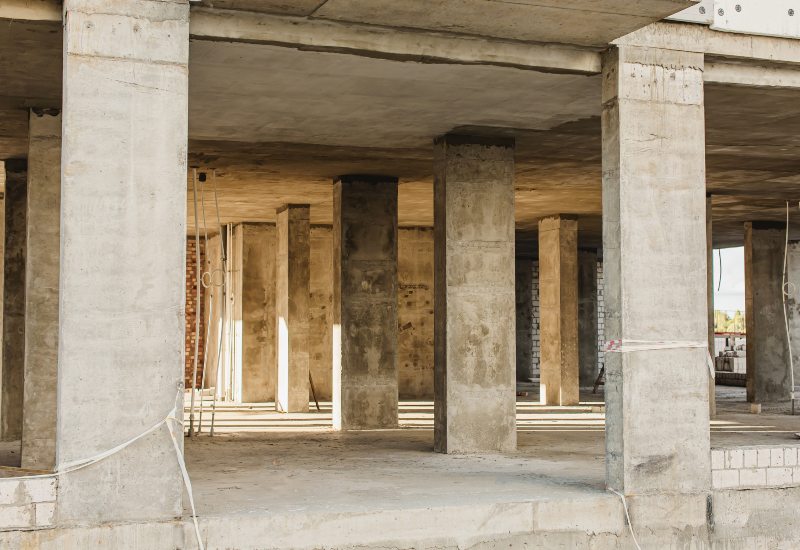
Practical Ways to Maximize Energy Efficiency
To get the most out of energy-efficient concrete, climate-aware design is essential. In Texas and Louisiana, that means combining thermal mass with other passive strategies like shading, insulation, and ventilation. Here are a few proven techniques we recommend:
- Orientation Matters. Positioning windows and concrete surfaces to capture or block sunlight at the right times of day maximizes natural temperature control.
- Pair With Proper Insulation. Insulating the exterior of concrete walls allows them to store heat from indoor air while minimizing energy loss.
- Use Reflective or Light-Colored Finishes. These help prevent excessive heat gain during summer while keeping the structure cooler.
- Combine With Efficient Systems. When paired with modern HVAC and lighting, thermal mass can reduce overall energy use dramatically.
Each of these choices works together to turn concrete’s natural properties into measurable performance gains.
Thermal Mass in Commercial & Industrial Applications
Many of our clients across the Gulf region are looking for ways to lower operating costs without sacrificing durability. Concrete’s thermal performance provides a built-in advantage for commercial and industrial facilities that operate large spaces around the clock.
For example, in warehouses or manufacturing plants, large concrete floors stabilize interior temperatures and reduce the demand for cooling systems during peak hours. In office buildings, exposed concrete ceilings or walls enhance comfort without the need for additional materials.
Our expertise in concrete cutting, slab sawing, and structural concrete installation allows us to integrate these design principles efficiently. Because we handle every phase of the work, from layout to finishing, we ensure each project achieves both structural and energy goals.
Regional Insights: Building Smarter for the Gulf Climate
The Gulf region’s heat and humidity make energy-efficient concrete more than a trend, it’s a necessity. Buildings that use thermal mass effectively can maintain comfort even during power outages or heat waves.
In Texas cities like Dallas and Houston, developers are turning to concrete for sustainable office spaces and multi-use facilities. In Louisiana, where energy costs and flood risks are top of mind, concrete’s combination of strength and efficiency makes it a clear choice for resilient construction.
Our teams across both states bring local insight to every project. We understand how environmental factors like soil conditions, rainfall, and temperature affect performance. That knowledge lets us recommend designs and materials that hold up under real Gulf weather conditions.
Partner With Ashton Sawing & Drilling for Sustainable Results
For more than twenty years, Ashton Sawing & Drilling has been at the forefront of concrete innovation across Texas and Louisiana. From precision demolition and structural concrete to advanced finishing and placement, we deliver solutions that support durability, performance, and sustainability.
The growing focus on thermal mass benefits and green building design proves that concrete’s future is as promising as its past. As technology advances, so does our ability to build smarter, cleaner, and more efficiently.
If you’re planning a new project or upgrading an existing structure, we’re here to help. Contact us today to learn how our expertise in energy-efficient concrete and sustainable construction materials can help you achieve lasting performance while reducing environmental impact.